SW3 removals guide for Chelsea flats
Posted on 15/08/2026
Moving out of a Chelsea flat can feel deceptively simple right up until you start carrying a sofa down a narrow stairwell, trying to park on a busy street, or realising the lift is out of service on the exact morning you need it most. This SW3 removals guide for Chelsea flats is built for that very real kind of move: tight hallways, shared entrances, building rules, neighbours who may not love noise at 8 a.m., and the usual London parking puzzle. Whether you are leaving a studio near the King's Road, a mansion flat off the embankment, or a top-floor apartment with a few too many stairs, the goal is the same: move efficiently, protect your belongings, and keep stress under control.
Below you will find a practical, Chelsea-specific plan covering what matters, how flat removals usually work, what to book, what to avoid, and where professional support can save time and a few headaches. If you want to explore broader moving support while you plan, you can also browse the company's removal services, house removals, and packing and boxes options.
Why SW3 removals guide for Chelsea flats Matters
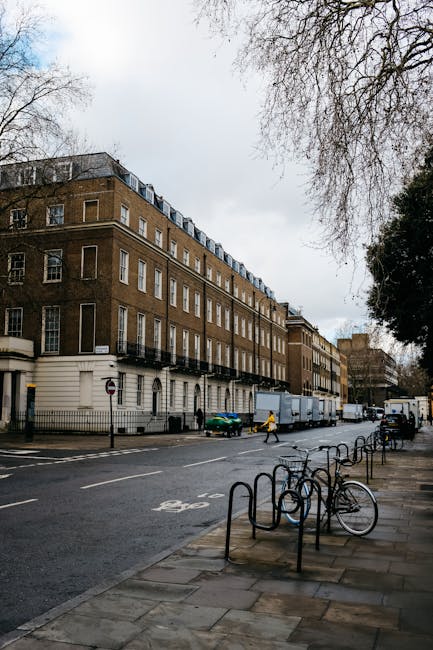
Chelsea flats are not all the same, but they often share a few awkward truths. Access can be tight. Parking can be limited. Staircases can be narrow, and lift access is not always reliable or large enough for bulky furniture. Those details matter because they affect time, cost, safety, and whether your move feels organised or chaotic.
A move within SW3 also tends to happen in an area where residents expect a certain level of tidiness and courtesy. That does not mean you need to be perfect. It does mean you should plan for quiet loading, clear communication with building staff, and a realistic idea of how long it takes to move items in and out of a flat properly.
There is also a practical money angle. The better prepared you are, the less likely you are to pay for avoidable waiting time, extra trips, or last-minute help. That is why a flat move benefits from a more careful approach than a standard "turn up and wing it" plan. Let's be honest, winging it in Chelsea usually costs more than it should.
Expert summary: Chelsea flat moves go smoothly when you treat access, parking, building rules, and packing as part of the job, not as afterthoughts.
How SW3 removals guide for Chelsea flats Works
For most Chelsea flat moves, the process starts with an assessment. A removal company will want to understand the size of the property, how many rooms need moving, whether you have large or fragile items, and what the building access looks like. In practice, the details matter more than the postcode. A first-floor flat with a lift and good street access may be far easier than a ground-floor flat buried behind locked gates and a long shared corridor.
From there, the move is usually planned around access, packing, and vehicle size. In SW3, a smaller vehicle or a man and van arrangement can make perfect sense for compact flats or lighter loads, while a fuller crew may suit a larger apartment move with more furniture and boxes. If your move spans a wider distance, the company's removals UK service can help with longer domestic journeys too.
On the day, the team typically protects communal areas, lifts, door frames, and furniture before loading begins. The order of loading matters. Heavy items, awkward pieces, and fragile boxes should not be thrown into the van in a random pile. That is how things get scratched, bent, or broken. A sensible removal team will load with the unloading order already in mind, which sounds obvious, but apparently obvious is not always common.
If there is a delay between moving out and moving in, storage can bridge the gap. That can be especially useful for chain delays, refurbishments, or when your new flat is not quite ready. In those situations, the company's storage support can keep the move from becoming a messy double-bounce across London.
Key Benefits and Practical Advantages
The biggest benefit of a structured Chelsea flat removal is control. Not control in the obsession sense - just enough control to stop small problems becoming expensive ones. With the right preparation, you can reduce the odds of damaged furniture, missed parking windows, and that miserable moment when one piece of furniture refuses to fit through the doorway by about an inch.
Here are the practical advantages most people notice quickly:
- Less time lost on access issues because the team knows the building layout in advance.
- Lower risk of damage when furniture is protected properly and packed with care.
- Better use of vehicle space through smart loading and labelled boxes.
- Less disruption to neighbours because loading, carrying, and timing are organised.
- More predictable costs when the quote reflects the actual job, not a vague guess.
There is also a mental benefit that people underestimate. A move feels lighter when you know what is happening next. That matters, especially if you are juggling work, a landlord handover, a cleaning deadline, and, in some cases, a very impatient estate agent. The logistics become the problem, not your mood.
If you want help with heavier packing, you can lean on packing and boxes so the fragile bits are handled properly. And if your Chelsea flat move is part of a bigger home transition, the company's moving company support can keep everything under one roof, so to speak.
Who This Is For and When It Makes Sense
This guide is for anyone moving out of, or into, a flat in Chelsea's SW3 area. That includes renters, leaseholders, downsizers, people relocating for work, and anyone moving within a few streets of their current address but still needing professional help. A short move can still be a complicated one. Truth be told, shorter distances often make people relax too much, and that is when the hiccups begin.
It makes especially good sense if you are dealing with one or more of these situations:
- A top-floor flat with stairs and no practical lift access.
- Large furniture that needs careful dismantling or protection.
- Limited parking or a difficult loading bay.
- A strict handover deadline and little room for delay.
- Shared entrances, concierge rules, or building management requirements.
- A move that includes storage, renovation, or a temporary gap between homes.
If your move is very light - perhaps a studio, a few suitcases, and one or two items of furniture - a smaller service may be enough. In that case, a local man and van setup can be a sensible fit. For larger households or more formal relocation planning, the broader house removals service may be the better match.
People moving beyond London boundaries can also explore the company's removals UK support or, for international moves, the moving abroad and EU moves pages. Different journeys, same principle: plan the details, and the rest behaves better.
Step-by-Step Guidance
Here is the cleanest way to handle a Chelsea flat removal without making a meal of it.
- Confirm your move-out and move-in dates. You need both dates in writing, not "roughly Thursday-ish". Flat moves are unforgiving when timelines drift.
- Check access at both addresses. Measure stair widths, lift sizes, corridor turns, and door frames. If a wardrobe looks tight, it probably is.
- Ask about parking and loading restrictions. In Chelsea, parking can be the hidden trap. Know where the vehicle can stop, and for how long.
- Declutter before you pack. There is no point paying to move broken lamps, mystery cables, and three boxes of "maybe useful later" clutter.
- Pack room by room. Label boxes clearly. Use consistent box sizes where you can, because awkward box shapes slow everything down.
- Protect fragile items early. Mirrors, glass tables, framed art, and electronics deserve better than a loose blanket and hope.
- Disassemble what makes sense. Beds, shelves, and some dining tables travel better in parts.
- Prepare a first-night bag. Kettle, chargers, toiletries, bedding, medication, and a change of clothes. Small thing, huge relief.
- Brief the moving team before loading starts. Tell them what is fragile, what is staying, and what needs to come out first at the other end.
- Do a final flat check. Cupboards, utility areas, balcony storage, under beds - the random places where keys and chargers hide with surprising confidence.
If you are still deciding how much help you need, one good rule is this: if the move involves stairs, tight timing, or furniture you would rather not scratch, professional support usually pays for itself in sanity alone.
Expert Tips for Better Results
Small details make a big difference in Chelsea. In our experience, the best moves are not the ones with the fanciest vehicles; they are the ones where the basics are handled with almost boring consistency.
First, photograph expensive furniture before the move. It sounds a bit overcautious, but it creates a simple record of condition, and it helps you spot issues quickly. Do the same for any pre-existing marks in communal hallways or lift interiors if building rules make that sensible.
Second, keep a clear path in the flat on moving day. Shoes by the door, coats hung up, loose items off the floor. It sounds tiny. It matters a lot.
Third, think about the route out of the building, not just the room layout. A sofa that turns beautifully in the lounge may get stuck at the final bend near the stairwell. That final turn is where hope goes to die, honestly.
Fourth, if you are moving in winter or during a wet spell, protect flooring from damp boxes and muddy shoes. A few runners or simple floor coverings can save a headache with the landlord or building management later.
Finally, if your move-out is not immediate, use storage strategically rather than dumping everything into a temporary room. A short-term plan can make later unpacking much easier. If that fits your situation, the company's storage support may be useful.

Common Mistakes to Avoid
The same errors crop up again and again with flat moves in SW3. Most are avoidable. Most are also the kind of thing people only notice after the van is already outside, which is a bit late, isn't it?
- Assuming the lift will be available. Check it. Do not guess.
- Leaving parking arrangements until the day before. That is how plans unravel.
- Overloading boxes. Heavy boxes hurt backs and split seams. Keep them sensible.
- Failing to label boxes by room and priority. Future you will not enjoy this.
- Forgetting to measure large items. A metre tape is cheaper than replacing a damaged unit.
- Not telling the movers about fragile or awkward items. They cannot read your mind. Regrettably.
- Booking too little time for a complex flat. Good removals are rarely rushed.
One more thing: do not treat a short Chelsea move as if it needs no planning. A tiny postcode radius can still hide a big access problem. The building is often the real challenge, not the distance.
Tools, Resources and Recommendations
You do not need a mountain of gear to move well, but a few simple tools make the job smoother.
- Strong tape and a dispenser for faster sealing.
- Marker pens and labels for clear room-by-room identification.
- Furniture blankets and protective wrap for polished surfaces, mirrors, and glass.
- Basic screwdriver set and Allen keys for dismantling furniture.
- Measuring tape for doors, stairs, lifts, and oversized furniture.
- Reusable bags or crates for cables, valuables, and small essentials.
As for service choices, it helps to match the move to the right support. For compact moves, a local man and van can be efficient and economical. For fuller home moves, a more complete house removals service may be more practical. If the job involves full packing, the packing and boxes service can save time and reduce breakages, which is nice when the item in question is something you actually like.
And if you are comparing providers, it is usually smart to start from the company's main removal services page and then work outward to the exact combination you need. That keeps the decision process cleaner.
Law, Compliance, Standards and Best Practice
For Chelsea flat removals, the most relevant compliance issues are usually practical rather than dramatic. You are mainly dealing with property access rules, parking restrictions, lease or building management expectations, and reasonable care around shared spaces.
In many apartment buildings, you may need to book a lift slot, notify concierge staff, or follow specific move-in and move-out windows. Those rules are not just administrative fluff; they protect the building, other residents, and your own timetable. Ignoring them can create delays or, in some cases, extra charges from the building side.
You should also take care with manual handling. Heavy lifting, awkward carrying, and staircase work are all areas where basic good practice matters. Lift with your legs, not your back, and do not try to be a hero with a wardrobe that clearly wants a second pair of hands. There is no prize for carrying a sofa badly.
For best practice, a professional removal company should also use protective materials for floors, doors, and furniture where appropriate, and should handle items in a way that reduces the risk of avoidable damage. Good communication is part of best practice too. If the route, access, or timing changes, everyone should know early.
Options, Methods and Comparison Table
Choosing the right way to move is often about balance. Cost matters. So does speed. So does how much lifting you want to do yourself.
| Option | Best for | Pros | Watch out for |
|---|---|---|---|
| Self-move | Very small flats, minimal furniture | Cheapest on paper, full control | Hard work, parking stress, more breakage risk |
| Man and van | Studios, one-bedroom flats, lighter loads | Flexible, efficient, often cost-effective | May be tight if you have lots of furniture or stairs |
| Full removals team | Larger flats, complex access, fragile items | More handling support, better for awkward jobs | Usually higher overall cost |
| Move plus storage | Delayed handovers, renovations, chain issues | Flexibility, reduced pressure on moving day | Requires extra planning and coordination |
If you are still weighing up methods, it can help to compare the usual pros and cons of using moving companies. A useful starting point is the company's own perspective on the advantages and disadvantages of using moving companies, which gives a grounded view before you decide what level of support suits your flat.
Case Study or Real-World Example
Picture a typical Chelsea flat move on a damp Tuesday morning. A couple are leaving a second-floor SW3 apartment with one large bed, a dining table, a bicycle, six boxes of books, and a good amount of kitchenware. Nothing outrageous. Nothing tiny either.
At first glance, they think they can do most of it themselves. Then the practical issues show up: the bike needs awkward manoeuvring down a tight stairwell, the table legs need removing, parking outside is limited, and the lift is too small for one of the heavier items. Suddenly the move looks less like a quick errand and more like a small logistical puzzle.
What helped most? Simple preparation. They measured the furniture in advance, packed the books into smaller boxes, booked the vehicle for a sensible window, and told the team which items needed extra care. They also kept essentials separate so the first night in the new flat did not become a scavenger hunt. Not glamorous, but very effective.
That kind of move is exactly why Chelsea flat removals work best when access and packing are planned together. The job becomes calmer, faster, and less likely to trigger those little avoidable disasters that make moving feel much worse than it needs to.
Practical Checklist
Use this checklist in the final week before moving day.
- Confirm dates for both properties.
- Check lift availability, stair access, and door widths.
- Arrange parking or loading permission if needed.
- Book the right removals support for the size of your move.
- Collect boxes, tape, labels, and packing materials.
- Pack one room at a time and label everything clearly.
- Set aside valuables, documents, medication, and chargers.
- Disassemble furniture that will travel better in parts.
- Protect fragile items with proper wrapping.
- Prepare a first-night box or bag.
- Notify building management or concierge where required.
- Do a final walk-through of the old flat before leaving.
If you are ready to get organised, a straightforward next step is to compare the company's moving company support with its removal services and then request a tailored estimate.
Get a free quote today and see how much you can save.
Conclusion
A Chelsea flat move does not need to be a drama. It just needs to be treated like the specific kind of move it is: compact, access-sensitive, and often a little more fiddly than people first expect. When you plan for the building, the parking, the packing, and the route, everything gets easier. Not perfect. Easier.
The smartest approach is usually a calm one: measure first, pack properly, ask the awkward questions early, and choose the moving support that fits your flat rather than forcing the flat to fit the move. That may sound obvious, but obvious is underrated. Especially in SW3.
Do the basics well, keep your sense of humour intact, and the day tends to go better than expected. Sometimes that is the whole trick. One box at a time, really.