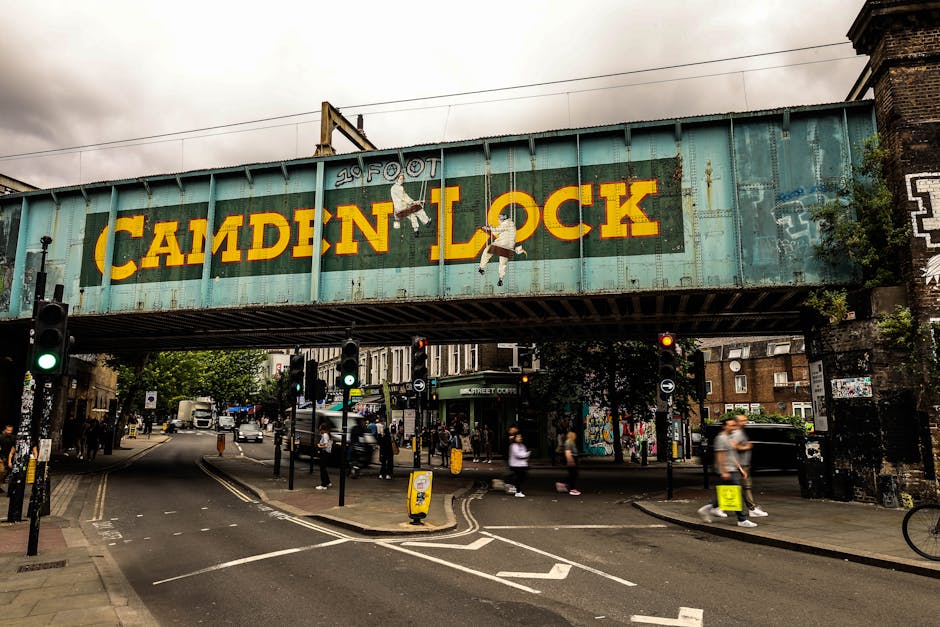
Camden removals near Camden Town market
Posted on 15/10/2026
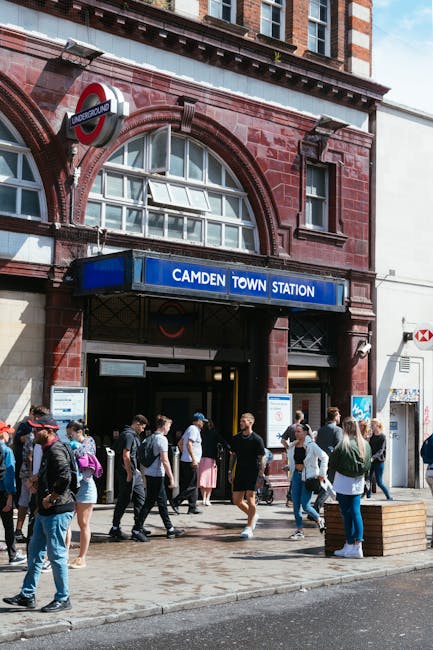
If you are planning Camden removals near Camden Town market, you already know this is not a typical easy-street move. The area is lively, busy, and brilliant to live in, but getting a van in, keeping things moving, and avoiding unnecessary stress takes proper planning. Between market footfall, narrow roads, loading restrictions, and the usual London surprises, the move can feel like a bit of a puzzle. That is exactly why a local-first approach matters.
In this guide, we will walk through how removals around Camden Town market usually work, what to expect on moving day, how to cut risk, and which practical details can save time, money, and a few nerves. If you are moving a flat, a shop unit, or an office nearby, this is the kind of grounded advice that helps you make sensible decisions rather than guess your way through it.
There is a reason experienced movers pay attention to Camden. It is busy at the best of times. And on market days? Let's just say timing matters.
Why Camden removals near Camden Town market Matters
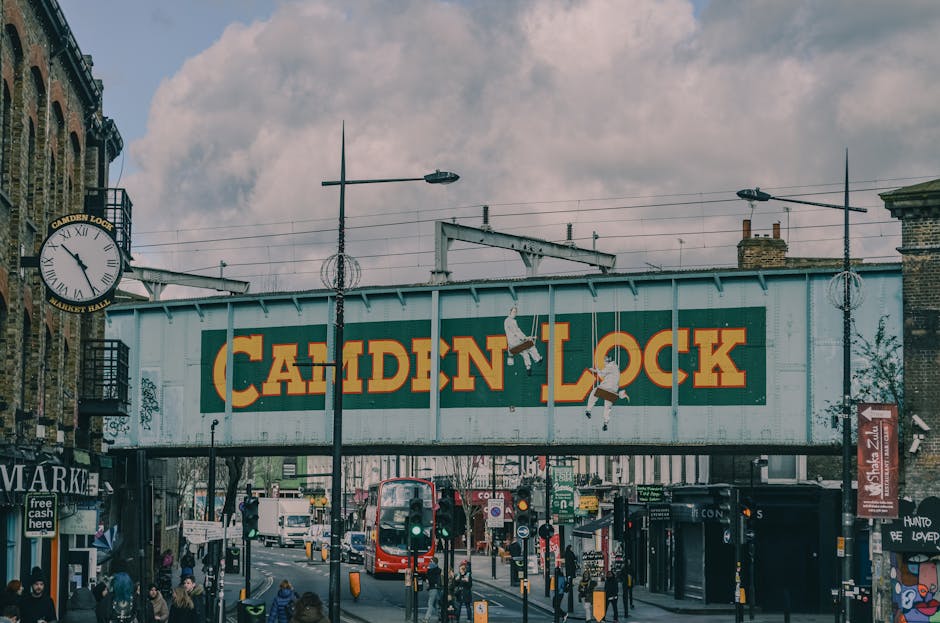
Camden Town market sits in one of the most active parts of North London, and that changes the moving experience in a few important ways. First, access is tighter than in quieter residential streets. Second, traffic can shift quickly depending on the day, time, and what is happening nearby. Third, if you are moving at street level, you may be sharing space with shoppers, delivery vehicles, pedestrians, and traders all at once.
That mix matters because removals are not only about lifting boxes. They are about timing, access, and coordination. A move that would be straightforward in a suburban cul-de-sac can become frustrating if a van cannot stop safely, if a lift is booked at the wrong time, or if furniture has to be carried a long way because the nearest loading spot is already occupied. Truth be told, that is where a lot of stress comes from. Not the boxes themselves. The logistics.
For homes near the market, the practical issue is usually speed and access. For businesses, it may be continuity. For example, a small retailer moving stock or equipment from a Camden side street needs the move planned around opening hours, supplier arrivals, and foot traffic. A delay of even twenty minutes can snowball. That is why local knowledge is not a luxury here; it is part of the service.
It also matters for protecting your belongings. The more back-and-forth carrying you do, the more chances there are for bumps, scrapes, and tired mistakes. In a compact area like Camden, careful route planning often saves more than brute effort ever will. Simple, but true.
How Camden removals near Camden Town market Works
Most removals in this part of Camden follow the same broad pattern, but the detail makes all the difference. A decent move starts with a survey or at least a proper discussion about what is being moved, where from, where to, and what the access is like at both ends.
From there, the removal plan usually looks something like this:
- Assess the property and access. This includes stairs, lifts, parking, road width, and any awkward turns inside the building.
- Work out timing. The best moving window may be early morning, midweek, or outside the market's busiest periods.
- Choose the right vehicle and crew size. A van that is too small creates extra trips. One that is too large may be awkward to park or unload.
- Pack and label properly. Good packing speeds up loading and reduces the chance of damage.
- Load with order. Heavy items first, fragile items secured, and essentials kept accessible.
- Deliver and place items room by room. That last part sounds obvious, but it saves a lot of chaos later.
If you are moving within Camden itself, the process can sometimes be quicker because the distance is short. But do not let that fool you. Local moves can be surprisingly tricky when parking is tight and the street is alive with activity. A five-minute drive can still be a challenging move if the loading point is not sorted.
For many people, a man and van style service is enough for smaller flats, student moves, or single-room relocations near the market. Larger homes, full-house moves, and business relocations usually benefit from a more structured service such as house removals or office removals, depending on what needs shifting.
And yes, the difference between "we'll just wing it" and a planned move is usually obvious by about 8:15 in the morning when the first box is in the wrong room.
Key Benefits and Practical Advantages
The main benefit of using a removal service familiar with Camden Town market is simple: you reduce friction. But that idea has a few real-world layers to it.
- Better access planning: Knowing where a van can stop, turn, or wait can save a lot of time.
- Less risk to furniture: Shorter carrying routes and proper handling reduce the chance of knocks and damage.
- Faster loading and unloading: Clear packing and a sensible crew setup keeps the day moving.
- Lower stress: When the route, timing, and order are handled properly, you can focus on the new place rather than firefighting problems.
- Better for local businesses: Shops and offices near the market often need quiet efficiency so trading disruption stays low.
There is also a hidden benefit people often miss: decision clarity. Once you have a realistic plan, it becomes easier to tell whether you need packing help, storage, a bigger van, or a split move. That stops the classic last-minute panic where everything sounds urgent and nothing is actually sorted.
For some moves, storage can be a sensible bridge, especially if your new place is not ready yet or completion dates do their usual thing and wobble. If that is your situation, storage options can reduce pressure and let you move in stages rather than all at once.
Expert summary: Around Camden Town market, the best removal job is usually the one that looks boring from the outside. No drama, no repeated trips, no surprises. Just a clean plan that fits the street, the building, and your timetable.
Who This Is For and When It Makes Sense
This kind of removal support makes sense for a few different people, and not all of them are moving the same thing.
Home movers
If you are leaving a flat near Camden Town market, especially a top-floor apartment or a building with narrow stairs, a professional move can spare you a long day of carrying and rearranging. It is especially useful if you have sofas, wardrobes, awkward electronics, or anything that really does not enjoy being carried down tight turns.
Students and sharers
Camden has plenty of shared homes and smaller tenancies. For these moves, a smaller vehicle or man-and-van style service can be a good fit, especially if you are not moving a whole house. A surprisingly large number of people only need help with the heavy lifting and transport, not the full-service treatment. Fair enough.
Businesses and shops
Retailers, studios, offices, and hospitality venues near the market often need moves timed around opening hours. If stock, fixtures, documents, or equipment need careful handling, a well-organised removal keeps downtime down. That matters when customers are expected and the phone never stops ringing.
People moving under time pressure
If your move has a tight deadline, using experienced movers is usually worth it. Last-minute moves often need practical judgement more than anything else. The right crew will spot potential blockers early and adjust before the day gets messy.
It also makes sense if you do not have the help you thought you had. Family and friends are lovely, but let's be honest, they do not always turn up with matching energy or a van big enough for your wardrobe.
Step-by-Step Guidance
If you want your Camden move to go smoothly, it helps to break the process into clear stages. Here is a practical sequence that works well in real life.
- Confirm what is moving. Write down the rooms, large items, fragile items, and anything awkward like mirrors, bikes, artwork, or office hardware.
- Check the access at both ends. Measure doorways if needed. Note stairs, lift size, parking restrictions, and whether the van can stop close enough to the entrance.
- Choose the right service. A small local flat move may only need a van and a mover or two. A family home or office may need a larger crew and more time.
- Decide whether to pack yourself or book packing help. If you are short on time, professional packing is often worth it. If you pack yourself, label clearly and keep essentials separate.
- Book early if possible. The earlier you secure your slot, the more choice you have over timings.
- Prepare the property. Clear corridors, empty drawers where possible, defrost fridges in advance, and protect floors if needed.
- Keep a day-one box. Kettle, mugs, chargers, toiletries, medications, spare keys, and basic tools. You will thank yourself later.
- Walk through at the end. Check cupboards, lofts, under beds, windowsills, and behind doors before leaving.
One small but useful habit: keep a note of items that need to be assembled first in the new place. Bed, sofa, desk, broadband gear. Those are the things that make the first night feel human rather than improvised.
If you want a more polished move, it can help to read about packing and boxes before you start. Good packing is not glamorous, but it is one of the easiest ways to avoid a headache later.
Expert Tips for Better Results
Here is where local experience pays off. Camden is not the place to leave key details until the morning of the move.
- Move early if you can. Morning slots often work better before the area gets busier. The streets feel calmer, the loading is easier, and everyone is less frazzled.
- Tell the mover about awkward items. Pianos, safes, glass tables, server equipment, and oversized wardrobes need advance planning.
- Keep parking reality in mind. A great quote can still fall apart if the van cannot get close enough to the entrance.
- Label by destination room, not just by contents. "Kitchen" is better than "mugs and pans." Simple, but it speeds unloading.
- Use protective wrapping where it matters. Mattresses, upholstered items, and polished furniture often benefit from extra care.
- Make a list of essentials for the first 24 hours. It stops the annoying scavenger hunt after a long day.
One more thing: if your move is part of a bigger house-hunting chain, keep some flexibility. Camden completions and handovers can shift. A little patience goes a long way. Annoying, yes. But useful.
Best practice: in a busy local area, the move that looks "over-prepared" on paper is often the one that feels easiest on the day.
It is also worth thinking about how your belongings will be used once they arrive. If you are moving into a smaller flat near the market, you may not want every item unpacked immediately. In that case, lighter staging and short-term storage can keep the new space from feeling crowded on day one.
Common Mistakes to Avoid
Most removal problems are predictable. The good news is that most are avoidable too.
- Underestimating access issues: A short distance does not mean an easy move.
- Leaving packing too late: Rushed packing leads to breakages, poor labelling, and missing items.
- Forgetting market-day realities: Camden traffic patterns and footfall can change a simple schedule into a messy one.
- Not checking lift or building rules: Some blocks need bookings, padding, or time windows.
- Hiring only on price: Cheap is not always cheap if delays or damage enter the picture.
- Skipping insurance questions: You should always understand what cover is included and what is not.
A very common one is overfilling boxes with books. Everyone does it once. Then they try to lift it. Then the box says no. Keep heavy items in smaller boxes. Your back will be grateful, even if your bookshelf looks slightly offended.
Another mistake is failing to create a short written move plan. It does not need to be fancy. Just a page with timings, addresses, key contacts, parking notes, and a list of fragile items. That one page can save a lot of "wait, where did we put that?" moments.
Tools, Resources and Recommendations
You do not need a mountain of equipment to move well, but the right basics make a difference. In practice, these are the most useful tools and resources for local removals around Camden:
- Strong boxes: Use proper moving boxes rather than random supermarket leftovers for the heavy stuff.
- Packing paper and wrap: Good for crockery, glass, ornaments, and delicate bits.
- Blanket or furniture protection: Helps reduce marks during loading and transit.
- Labels and marker pens: Colour coding rooms can save time at the other end.
- Tape and scissors: Not glamorous, but oddly crucial.
- Dolly or trolley: Useful for heavier items where access allows.
For service options, it helps to understand the main categories. A general removal services page can guide you through broader support, while a smaller move may suit man and van support. If you are dealing with a full household relocation, house removals is usually the more appropriate route.
If you are still comparing movers, a company overview such as moving company information can help you understand how services are typically structured. That is often more useful than jumping straight to price. Price matters, of course, but so does what is actually included.
For local context, Camden-focused pages such as Camden NW1 and NW3 can be a useful reference if you are moving within nearby postcodes and want a service that fits the area's layout and pace.
Law, Compliance, Standards, or Best Practice
For removals near Camden Town market, the main compliance concerns are practical rather than complicated, but they should still be taken seriously. You do not need to become a transport lawyer to move house, thankfully, but you do need to respect local rules and building requirements.
Here are the areas that usually matter:
- Parking and loading restrictions: Street access can be limited by local rules, bay controls, or time restrictions. These should be checked in advance.
- Building management rules: Flats and managed properties often require lift bookings, padding, or set moving windows.
- Health and safety: Good lifting practice, clear walkways, and proper handling reduce the risk of injury and damage.
- Insurance and liability: Ask what cover applies to goods in transit, handling, and accidental damage.
- Commercial moves: Businesses may need to plan around trading obligations, access permissions, and stock security.
Best practice also means being honest about the job. If a narrow stairwell or a long carry means the move will take longer, say so early. A good mover would rather know now than discover it while standing on the pavement with a sofa that does not want to co-operate.
If you are moving further than Camden, it can help to understand how wider journeys are handled too. For example, removals UK is relevant if your move extends beyond London, and EU moves or moving abroad matter if your plans are bigger than a local relocation. Different move, different rules, different headaches.
Options, Methods, or Comparison Table
Choosing the right approach depends on what you are moving, how much you have, and how much help you want. Here is a simple comparison to make that decision easier.
| Option | Best for | Strengths | Trade-offs |
|---|---|---|---|
| Man and van | Small flats, student moves, a few large items | Flexible, often quicker to book, cost-effective for lighter jobs | Less suited to larger homes or complex access |
| House removals | Full domestic moves, family homes, multi-room relocations | More structure, larger team, better for bulk moves | Usually more planning needed, may cost more overall |
| Office removals | Workspaces, studios, retail stock, equipment moves | Better for downtime control and organised handling | Requires more coordination with staff and access windows |
| Storage plus move | Delayed completions, decluttering, phased moves | Reduces pressure and gives you more flexibility | Two-stage move can take longer to complete |
If you are not sure which route to take, start with the size of the job rather than the price. That tends to give you a more realistic answer. A smaller move does not need the same machinery as a three-bed family house. Obvious, maybe, but easy to overlook when you are busy.
People moving in surrounding parts of north and central London sometimes compare Camden with nearby areas like Islington, Bloomsbury, or Kentish Town. Those areas have their own quirks, but the same principle holds: the more access and timing matter, the more planning pays off.
Case Study or Real-World Example
Here is a realistic example based on the sort of move people actually make around Camden Town market. A couple lived in a one-bedroom flat a short walk from the market and were moving to a slightly larger place nearby. On paper, it looked easy. Same area, same borough, not far at all.
But the details mattered. They had a narrow staircase, a sofa that barely fit round one landing, and a moving window that coincided with a busy part of the day. They also had a few fragile kitchen items, a bike, two bookcases, and a work desk that had to be reassembled before the next morning because one of them worked from home.
What helped most was not brute strength. It was preparation:
- They packed fragile items separately and labelled them clearly.
- They kept a first-night box with bedding, kettle supplies, toiletries, and chargers.
- They checked access at the new property before the move.
- They agreed where furniture would go before anything was unloaded.
The move still took effort. Of course it did. But there was no scrambling, no repeated decisions, and no last-minute hunt for a screwdriver while the hallway filled up with boxes. That is the kind of difference good planning makes. Not flashy. Just calm.
It also shows why even short London moves deserve proper attention. Small distance, big difference.
Practical Checklist
Use this checklist to keep your move on track. It is intentionally simple, because moving day is not the time for a novel.
- Confirm your moving date and time window
- Check parking and loading access near Camden Town market
- Measure any awkward doorways, stairs, or lifts
- Decide whether you need packing support
- Book boxes, wrap, tape, and labels early
- Set aside essentials for the first 24 hours
- Notify building management if required
- Protect floors and vulnerable surfaces
- Keep valuables and documents with you
- Confirm insurance and service details before the day
- Leave clear instructions for rooms and item placement
- Do a final sweep of the property before handing over keys
Quick takeaway: If you sort access, timing, packing, and a first-night box, you have already removed most of the common moving-day stress. Seriously. Most of it.
Get a free quote today and see how much you can save.
Conclusion
Camden removals near Camden Town market are perfectly manageable when you treat them like a local logistics job rather than a simple van hire. The area has its own rhythm, and the best moves work with that rhythm instead of fighting it. Once you plan around access, timing, packing, and the right service level, the whole process becomes much more predictable.
Whether you are moving a small flat, a family home, or a business space, the right preparation will make the difference between a tiring day and a controlled one. And if you are still deciding how much help you need, start with the practical questions: what are you moving, how far, how awkward is the access, and how quickly do you need it done?
Get those answers right, and the rest tends to fall into place. One solid step at a time.